Introduction
When it comes to fencing your home, the options can be frustrating. Amongst the myriad of choices offered, Colorbond fencing stands apart for its toughness, visual appeal, and very little upkeep requirements. But here's the million-dollar concern: Should you employ an expert for Colorbond fence installation, or can you tackle this task yourself? In this extensive guide, we'll explore the advantages and disadvantages of both techniques to help you make an informed decision.
What is a Colorbond Fence?
Understanding Colorbond Fencing
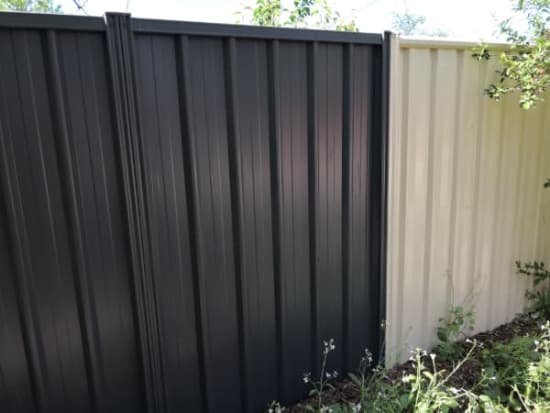
Colorbond fencing is made from premium steel covered with a protective layer that resists rust and rust. Available in a range of colors and styles, it provides both personal privacy and security while boosting the overall look of your property.
Benefits of Colorbond Fencing
- Durability: Built to hold up against harsh weather conditions. Low Maintenance: Requires very little upkeep compared to lumber fences. Aesthetic Appeal: Uses a modern appearance with various color alternatives to match any home design. Fire Resistant: A more secure choice in bushfire-prone areas.
Colorbond Fence Setup: Expert vs do it yourself-- What's Right for You?
Deciding between working with a professional or going the DIY route for your Colorbond fence installation hinges on different aspects-- including budget, ability level, and time restraints. Let's break down each option.
The Pros of Hiring Professionals
Expertise and Experience
When you work with experts for your Colorbond fence installation, you're taking advantage of their expertise. They understand how https://blogfreely.net/relaitaddp/how-to-get-the-very-best-quotes-from-local-colorbond-steel-fence-installers to deal with all aspects of the task efficiently-- from choosing products to handling local council regulations.
Time-Saving Benefits
Professional installers normally total tasks quicker than DIYers due to the fact that they come equipped with tools and experience that improve the process.
Quality Assurance
With professionals, you frequently receive guarantees or assurances on craftsmanship. If anything fails post-installation, they will typically take responsibility.
The Cons of Working with Professionals
Higher Costs Involved
One indisputable drawback of hiring professionals is the cost. Installation fees can accumulate quickly, especially if you have a big area to cover.
Less Control Over Style Choices
When outsourcing your setup, you may have limited control over style aspects unless clearly gone over beforehand.
The Pros of DIY Installation
Cost Savings
The most appealing aspect of going DIY is saving money. By not paying labor expenses, you can assign funds in other places-- perhaps towards premium products or added features.
Personal Satisfaction
There's something satisfying about completing a task on your own. The sense of achievement upon completing your fence adds to its worth as part of your property.
The Cons of DIY Installation
Skill Level Required
Not everybody has experience in construction or landscaping. An absence of skills could result in mistakes that may wind up costing more in repair work later on.

Time Commitment
DIY projects need substantial time investment-- not simply throughout setup but likewise in preparation and planning phases.

Assessing Your Abilities for Do It Yourself Fence Installation
Are You Handy?
Before diving into a do it yourself job, it's important to evaluate whether you're handy enough for such an undertaking. Do you have some background in woodworking or construction?
Tools at Your Disposal
Do you possess (or can you access) the necessary tools? A proper toolset is important for effective installation-- think drills, levels, determining tapes, etc.
Planning Your Colorbond Fence Installation Project
Setting Your Budget
Your primary step ought to be budgeting for the entire job. Consist of expenses like materials, tools (if leasing), and any unanticipated costs that may turn up along the way.
Choosing Colors and Styles
Colorbond fencing comes in numerous colors; choose one that matches your home while also thinking about area aesthetics.
Table 1: Popular Colorbond Colors
|Color Call|Description|| ---------------------|------------------------|| Manor Red|Crimson shade|| Basalt|Dark grey|| Cove|Light beige|| Windspray|Soft blue|
Gathering Tools and Materials for DIY Installation
Make sure you've got everything lined up before beginning:
Colorbond panels Steel posts Concrete mix Level Measuring tapePreparation Steps Before Installing Your Fence
1. Inspect Local Regulations
Before starting any work, seek advice from local building regulations or policies worrying fencing height and limit lines.
2. Mark Out Your Home Boundary
Using stakes or string lines will assist envision where your fence will go while ensuring it stays within legal boundaries.
Installation Process Overview
This section will provide you a concept of what to expect during the real installation procedure:
Set Up Posts Pour Concrete Attach Panels Final InspectionCommon Errors Throughout Colorbond Fence Installation
Not double-checking measurements before cutting. Forgetting about drain concerns which could affect longevity. Skipping concrete treating times leading to unstable posts.Maintenance Tips for Your New Colorbond Fence
Even though Colorbond fences need less upkeep than lumber options, some care is still required:
Regularly clean panels utilizing moderate detergent. Inspect joints periodically. Address rust spots immediately if they appear.Frequently Asked Questions (FAQs)
1. For how long does a Colorbond fence last?
Colorbond fences are designed to last upwards of 30 years with proper care!
2. Can I paint my Colorbond fence?
You can; however, it's advised to utilize particular types of paint created for metal surfaces to guarantee durability.
3. What is the ideal height for a property fence?
Most residential fences range from 1.8 m (6ft) high; check local guidelines as they may vary by area!
4. Are there color restrictions based on region?
Yes! Some local councils might have restrictions based on neighborhood aesthetic appeals; constantly inspect before making decisions!
5. How do I install gates with my Colorbond fence?
Gates can be set up likewise; simply make sure appropriate positioning with hinges and lock mechanisms!
6. Is a building permit required for installation?
In numerous locations yes! Constantly seek advice from regional policies beforehand!
Conclusion
In conclusion, whether you select professional help or decide to embark on a DIY journey for your Colorbond fence installation, both paths come with their distinct sets of benefits and difficulties-- what ultimately matters is discovering what matches you best! Evaluate your skills, financial restrictions, and desired results carefully before making any choices! Each design has its merits; after all-- it has to do with securing what matters most-- your home!
By weighing these aspects attentively versus one another as we've outlined here today-- you'll be well-equipped when choosing whether hiring someone else is ideal-- or if rolling up those sleeves sounds much better fit instead! Delighted fencing!